
Extreme heat and a recent hair transplant: how to protect the grafts in summer
Extreme heat does not destroy hair grafts, but it does require specific care after a recent hair transplant to protect recovery and maximise results.
ler mais
Have you just had a hair transplant or are you about to take that step? If so, you may have wondered about hair growth after transplantation because the day you see yourself reflected in the mirror with thick, healthy hair will be a day marked with a happy face on the calendar. But until then, it is important to understand that after the transplant, the hair growth process is gradual but full of small victories. Find out what to expect in this month-by-month hair growth guide!
Although each person has their own pace and unique characteristics that influence post-transplant hair growth, there are some factors that also contribute to this evolution:
When performed correctly, both FUE (Follicular Unit Extraction) and FUT (Follicular Unit Transplantation) guarantee natural and progressive hair growth after transplantation. However, FUE, by extracting follicles individually, is less invasive, leaves no linear scar, and allows for faster recovery, whereas FUT can be more uncomfortable in the postoperative period and leave a linear scar.
The evolution of hair growth after transplantation also depends on the donor area: if it has a good density of healthy follicles, it allows for the extraction of more robust grafts with a higher survival rate.
The first few days are crucial for hair growth after transplantation, so medical instructions must be followed correctly: wash your head as recommended, avoid scratching, protect from the sun, and do not engage in physical exertion.
Each patient has their own pace, and genetics influence not only the speed of hair growth after implantation but also the texture and thickness of the new strands.
A diet rich in vitamins, minerals, and proteins, good hydration, and stress management are habits that directly benefit hair growth after transplantation, creating the ideal environment for follicles to develop.
A healthy scalp (without dermatitis, excess oiliness, or inflammation) promotes graft fixation and post-transplant hair growth. After surgery, keeping the scalp clean, moisturized, and free from external aggressions is also essential for hair growth after transplantation.
Would you like to know the results of hair transplantation month by month? Between quieter phases and more encouraging ones, find out how you will see hair growth after transplantation.
Regardless of the month, certain precautions are essential to ensure optimal hair growth after transplantation:
Wash the scalp gently as directed by your doctor.
Avoid strenuous exercise during the first few days.
Avoid direct sunlight in the first few weeks, as well as tight hats and friction.
Do not scratch or pick at scabs.
Invest in a diet rich in nutrients that promote hair growth after transplantation.
Follow all recommended complementary treatments and keep follow-up appointments.
If you still have questions about hair growth after transplantation, read the answers to our patients' most common questions.
The first strands appear between the 3rd and 4th month.
Most patients achieve definitive results between 12 and 15 months.
You can cut your hair at the end of the first month, but only with scissors. Avoid using clippers on the transplanted area until you have medical authorization.
Yes, because hair transplants use follicles from your own scalp.
Yes. The thickness gradually increases between the 6th and 12th month.
Yes, each follicle has its own timing.
Yes, but only in areas that have not been transplanted, if there is a genetic predisposition.
Of course, the transplanted strands are permanent. However, the remaining hair may continue to miniaturize if not monitored.
Post-transplant hair growth is a journey full of predictable stages, but also small surprises, so it is important to follow the care instructions and maintain proper follow-up to ensure a natural and lasting end result.
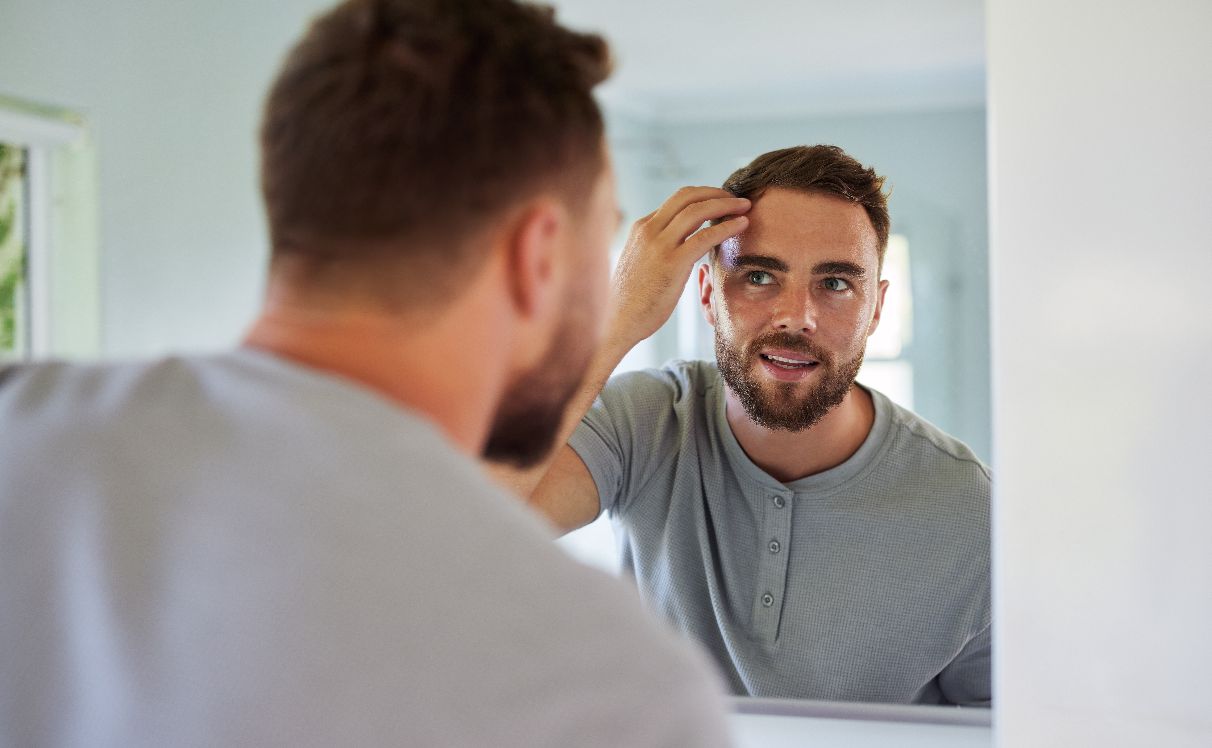
Extreme heat does not destroy hair grafts, but it does require specific care after a recent hair transplant to protect recovery and maximise results.
ler mais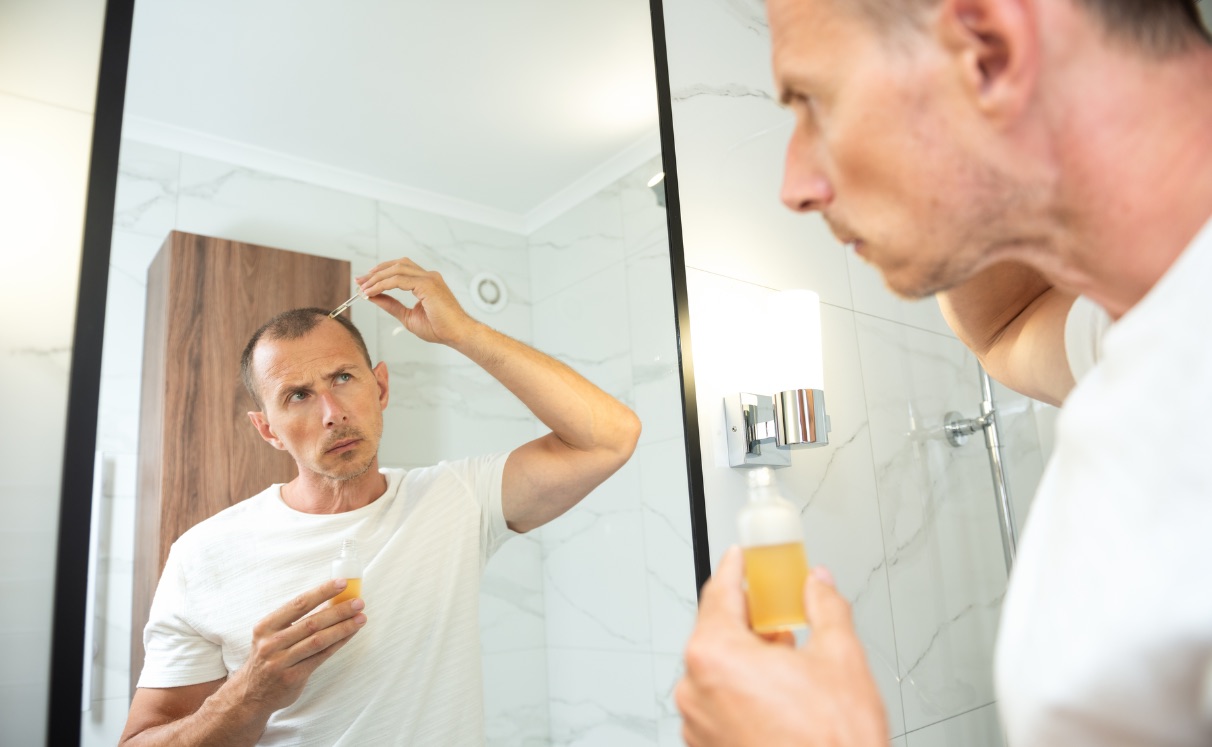
Are you also wondering about using Minoxidil after a hair transplant? Is it just a complement, or an essential medication to ensure long-lasting results?
ler mais